
Job Application Fraud
Know Who Is Behind Every Application
Fake candidates clear document checks because their documents are real. SEON reads the digital footprint behind each applicant, including email history, phone registration, device reuse and network context, before a recruiter opens the CV.
FRAUD ENTERS AT SUBMISSION
How SEON Detects and Stops Applicant Identity Fraud
Background checks, employment verification and reference calls confirm a candidate’s history only after recruiters have invested hours in the person. Neither can confirm that the identity submitting the application is real.
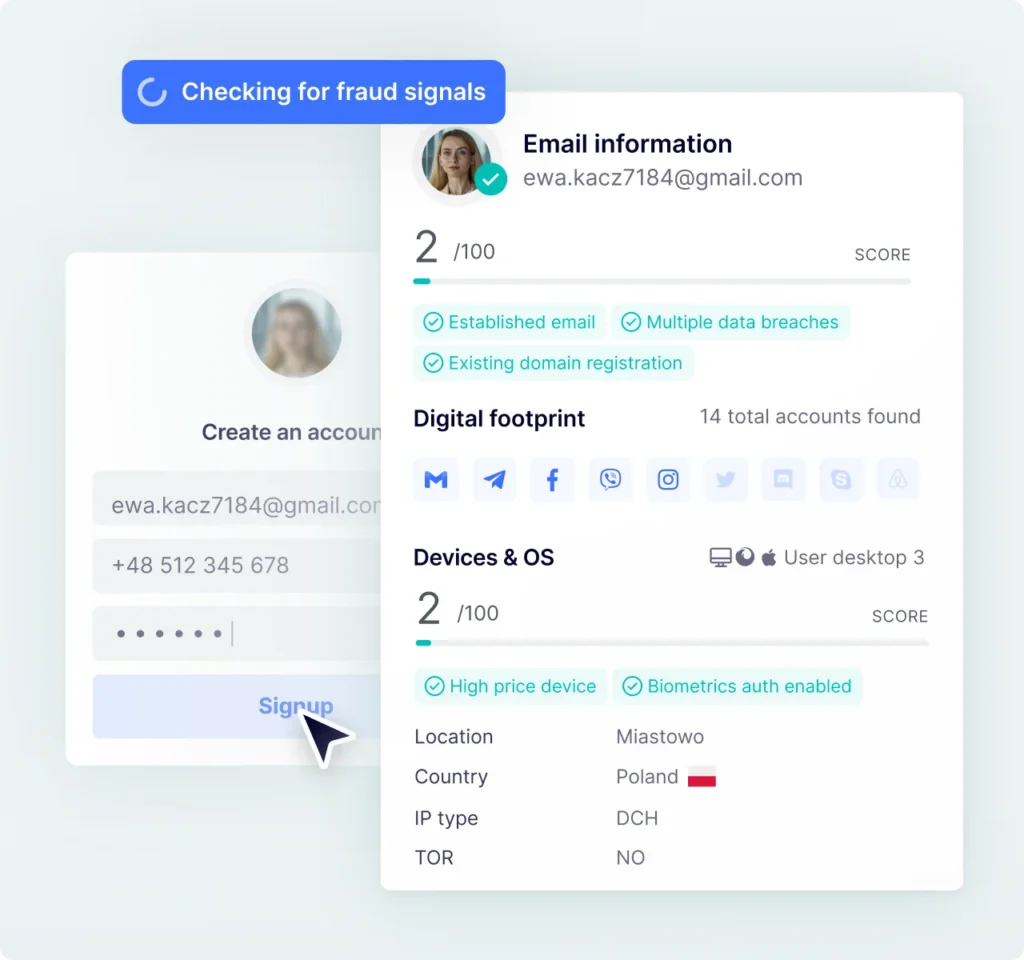
Screen Applicants Before a Recruiter Opens the CV
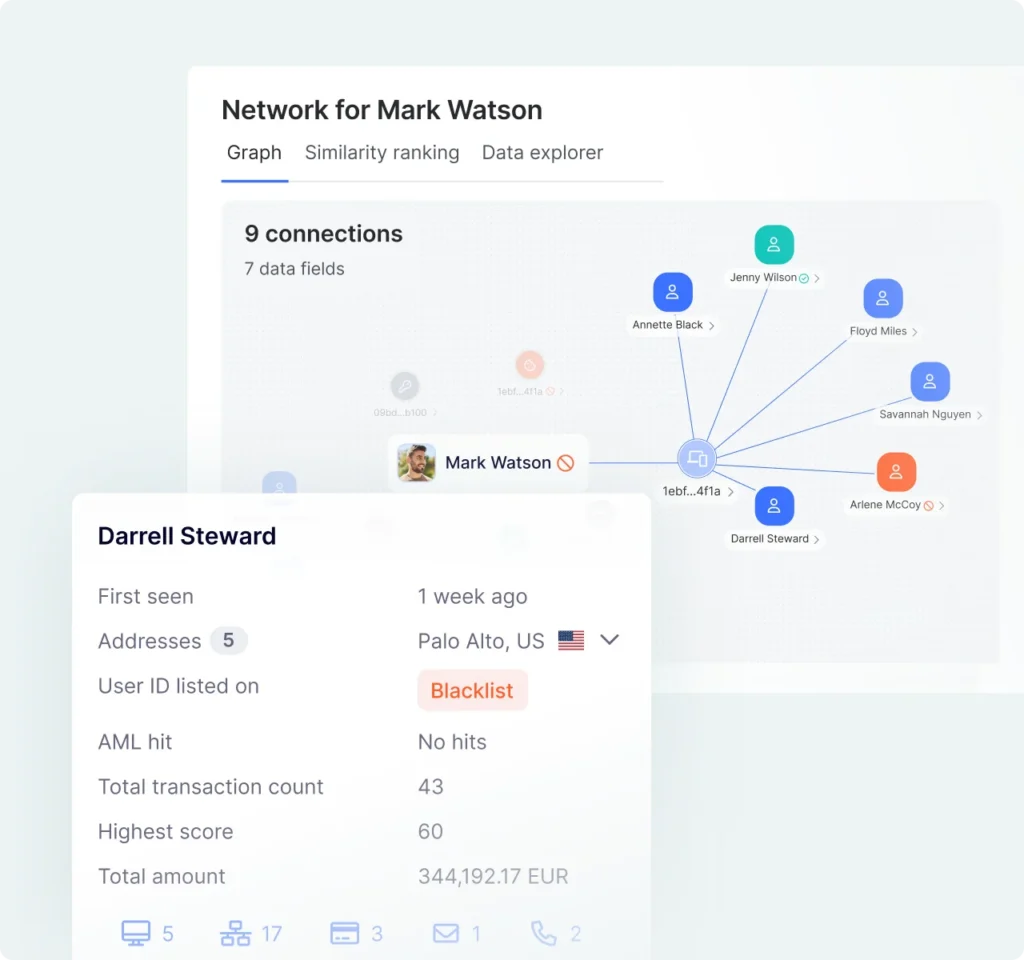
Expose Application Farms & Repeat Applicants
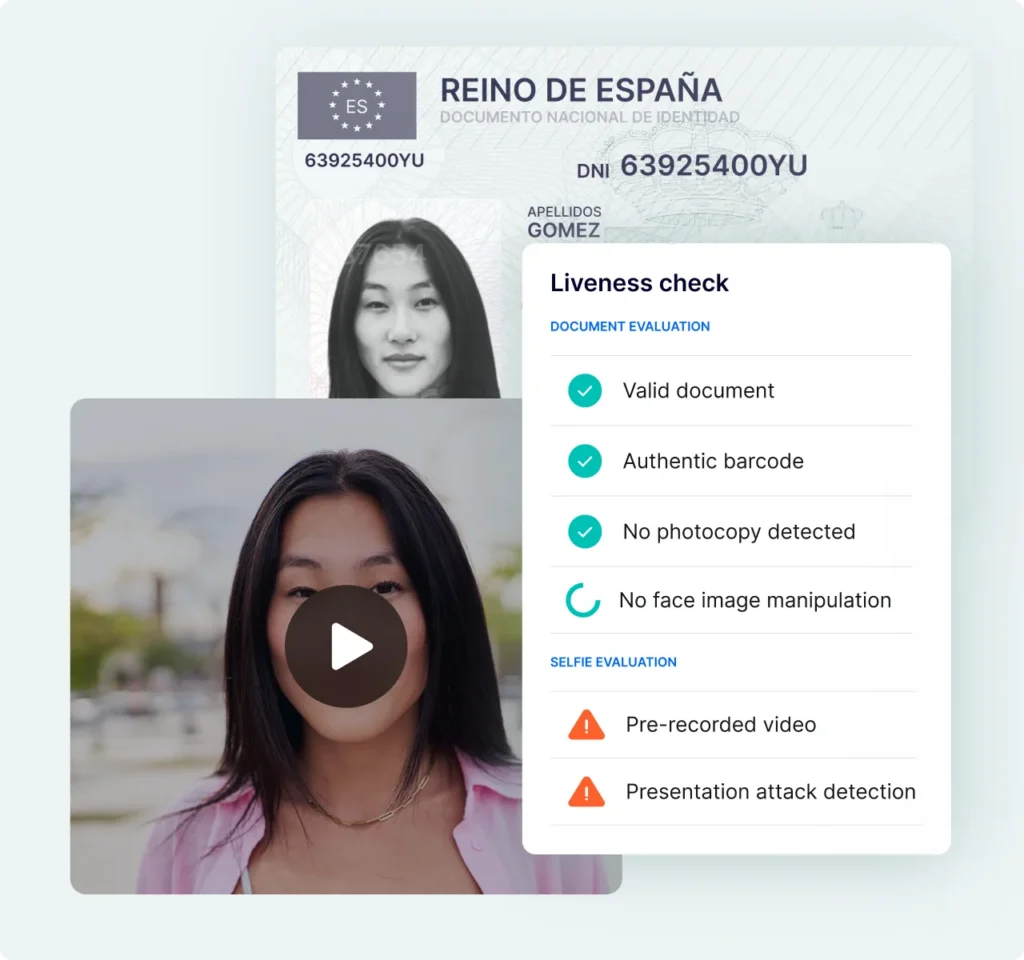
Confirm the Person Hired Is the Person Screened
REAL-TIME FRAUD SCORING
Applicant Risk Scoring in Real Time, From Submission to Decision
Every application is scored in real time against identity, device and network signals, with no candidate-facing friction.
1.
Collect signals
One API call returns email, phone, IP, device and social signals per applicant.
2.
Score risk in real time
Each application gets two scores, rules-based and AI-driven, with signals shown.
3.
Route what needs review
High-risk applications route to a reviewer with the signal picture attached.
4.
Learn from outcomes
Confirmed fraud feeds back into the model, sharpening future detection.


Integrations
Choose How to Integrate with SEON
SEON integrates with your applicant tracking system and careers portal via a single API or AWS Marketplace. Most organizations go live within 14 days.
Learn More About Applicant Identity Fraud
-
Learn how to spot deepfakes using pre-KYC risk signals plus device, IP, and risk-based IDV.
-
Hiring fraud used to be the employer’s problem, but that assumption no longer holds. Applicant tracking system (ATS) platforms now…


Frequently Asked Questions
What is applicant identity fraud?
Applicant identity fraud is any attempt to enter a hiring process using a fabricated, stolen or synthetic identity. The goal may be fraudulent employment, access to internal systems or harvesting recruiter and company data. It enters at the application or registration stage, before any background check or reference call begins.
How do employers verify who is behind a job application?
Employers confirm an applicant’s identity by checking the digital footprint behind their contact details, not just their documents. Email age, phone registration, device history and network context reveal whether a real person stands behind the application. A genuine professional carries years of digital history that a fabricated identity cannot manufacture at scale.
How does SEON detect applicant identity fraud?
SEON scores every application in real time against identity, device and network signals before a recruiter opens the CV. It reads the digital footprint behind each email and phone number, links applications submitted by the same device under different names and triggers document or liveness checks only when risk warrants. Confirmed fraud feeds back into the model to sharpen future detection.
Can identity verification for hiring work without adding friction for real candidates?
Yes. Passive checks run in the background on every application, so low-risk candidates move through with no extra steps. Additional verification, such as an ID document or a liveness check, is triggered only when risk signals warrant it. Genuine applicants get a smoother process while suspicious ones face more scrutiny.
Why do background checks miss applicant identity fraud?
Background checks and reference calls confirm a candidate’s history, not their identity. They run after recruiters have already invested hours, assuming the person applying is real. Applicant identity fraud uses identities that pass those checks, so it has to be caught at submission with identity, device and network signals.
Stop Applicant Identity Fraud Before It Reaches Your Team
“Together, we’re giving talent teams greater confidence as they face the surge in fraudulent applications.”
Emre Murray Mangir, Product Lead, Ashby
Trusted by 5,000+ global organizations:


Book Time With Our Experts
This form may not be visible due to adblockers, or JavaScript not being enabled.
Just like you, we hate spam. We won’t call you and we may only send you relevant emails, which you can opt-out of at any time. By submitting this form, you agree to our Terms Of Service and acknowledge that you have read and accept our Privacy Policy.