
Fraud Prevention for Banks
Better Data for Every Banking Decision
Approve good customers faster and stop fraud earlier across onboarding, monitoring, lending, payments and transfers with 1,100+ first-party signals that help banks and neobanks fight financial crime.

Trusted by the World’s Most Ambitious Companies








Quicker, Smarter Decisions
Digital banks use SEON to automate risk decisions, reduce friction and make faster decisions across their customer journeys.
90.6%
auto-approval rate for genuine customers

95%
of fraud checks automated

<3
weeks to integrate

Assess Risk Across the Customer Lifecycle
Digital banks need to understand risk across the entire customer relationship. Connecting fraud and financial crime intelligence provides risk teams a complete view of customer behavior and risk change.
Onboarding & Identity
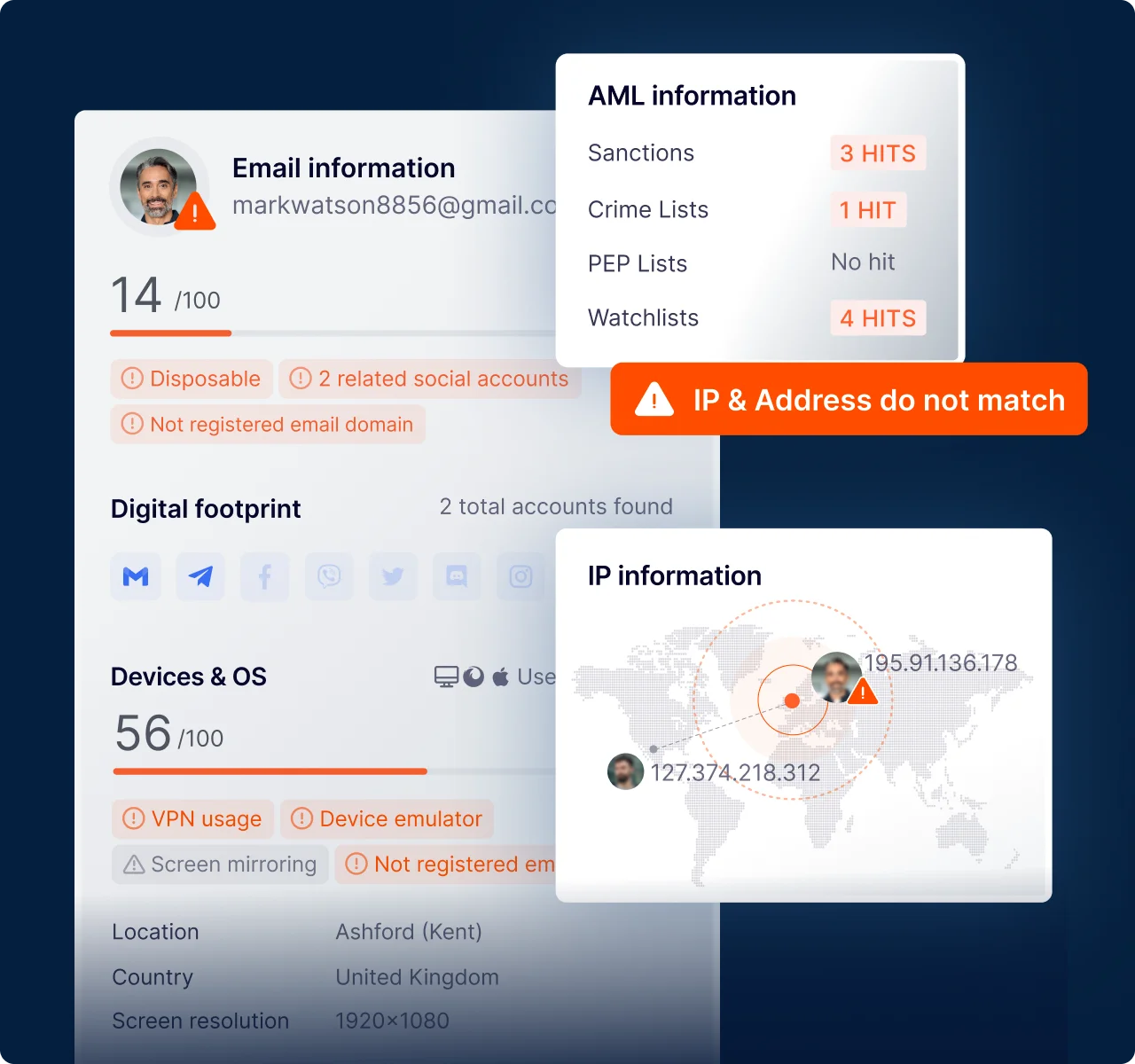
Know who’s behind every new account. Email, phone, IP, device and digital footprint signals pulled in real time help identify synthetic, stolen and high risk identities before onboarding.
Ongoing Monitoring
Risk doesn’t end at onboarding. Screen customers against sanctions, PEPs and watchlists, and identify changes in risk throughout the relationship.
Account & Transaction Activity
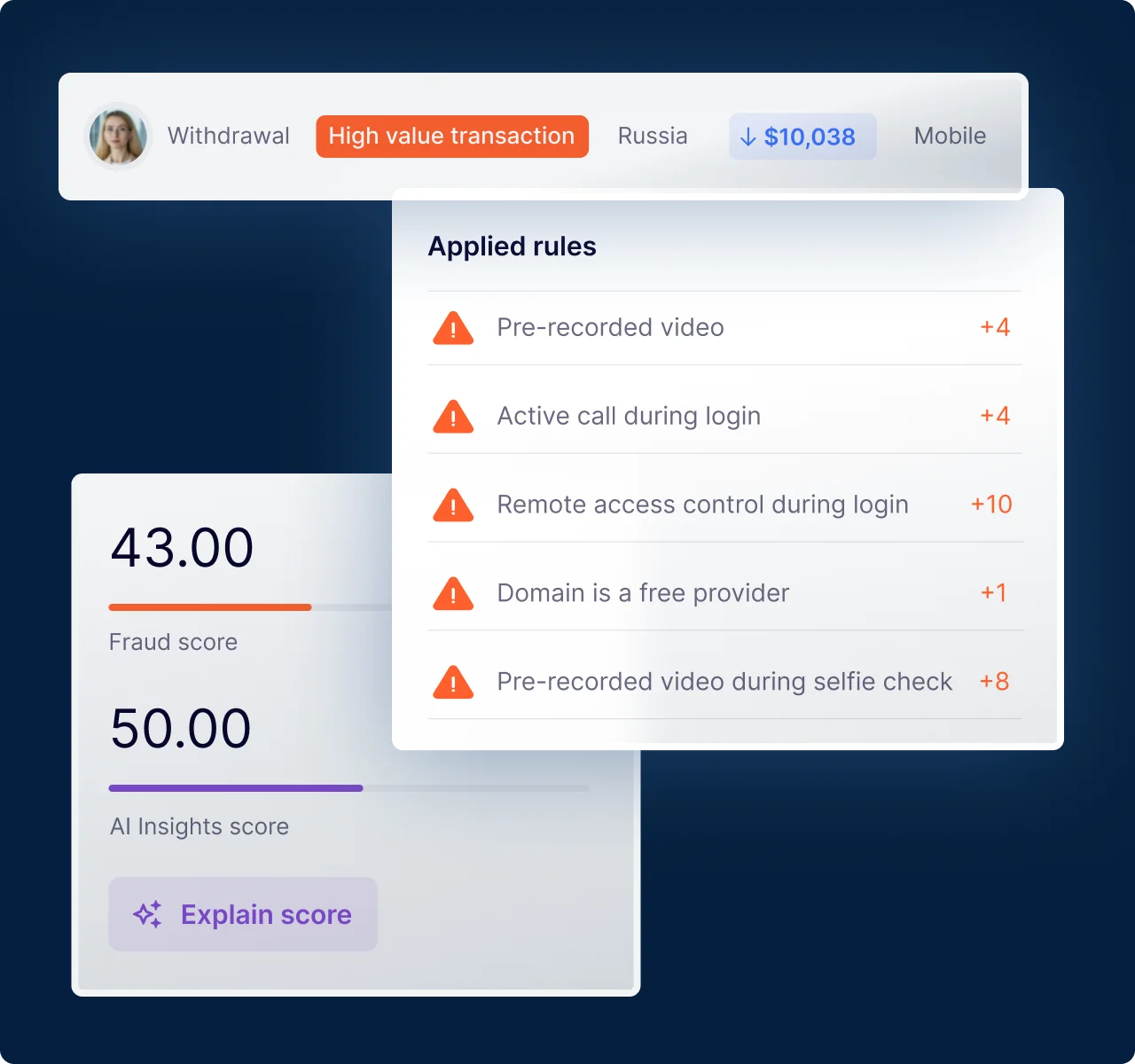
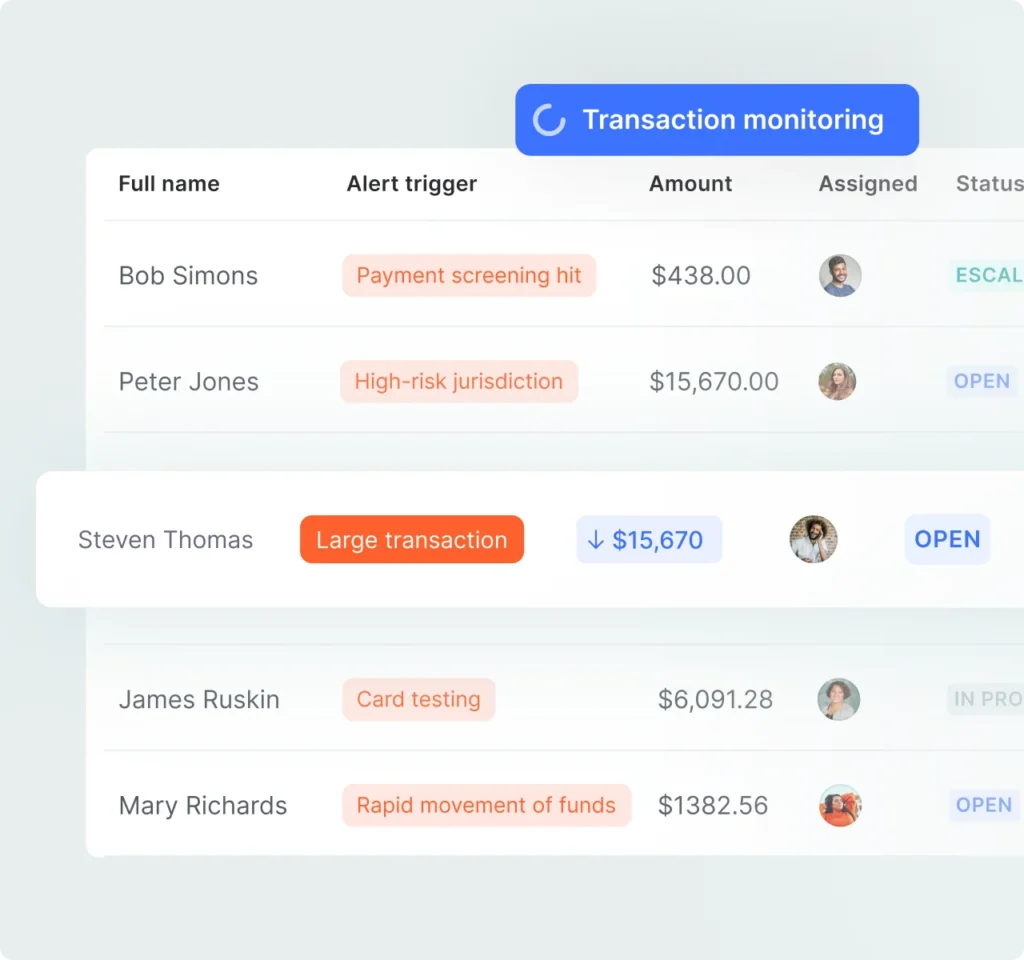
Spot suspicious behavior as customers use their accounts. Device, network, behavioral and velocity signals help identify account takeovers, mule activity and other unusual patterns.
Lending & Credit
Make better decisions with more than bureau data. Digital footprint and device signals add context on thin-file, new-to-credit and underbanked applicants.
Payments, Transfers & Payouts
Assess risk before the money moves. Combine customer, device, network and behavioral signals to identify suspicious payments, transfers and payouts.
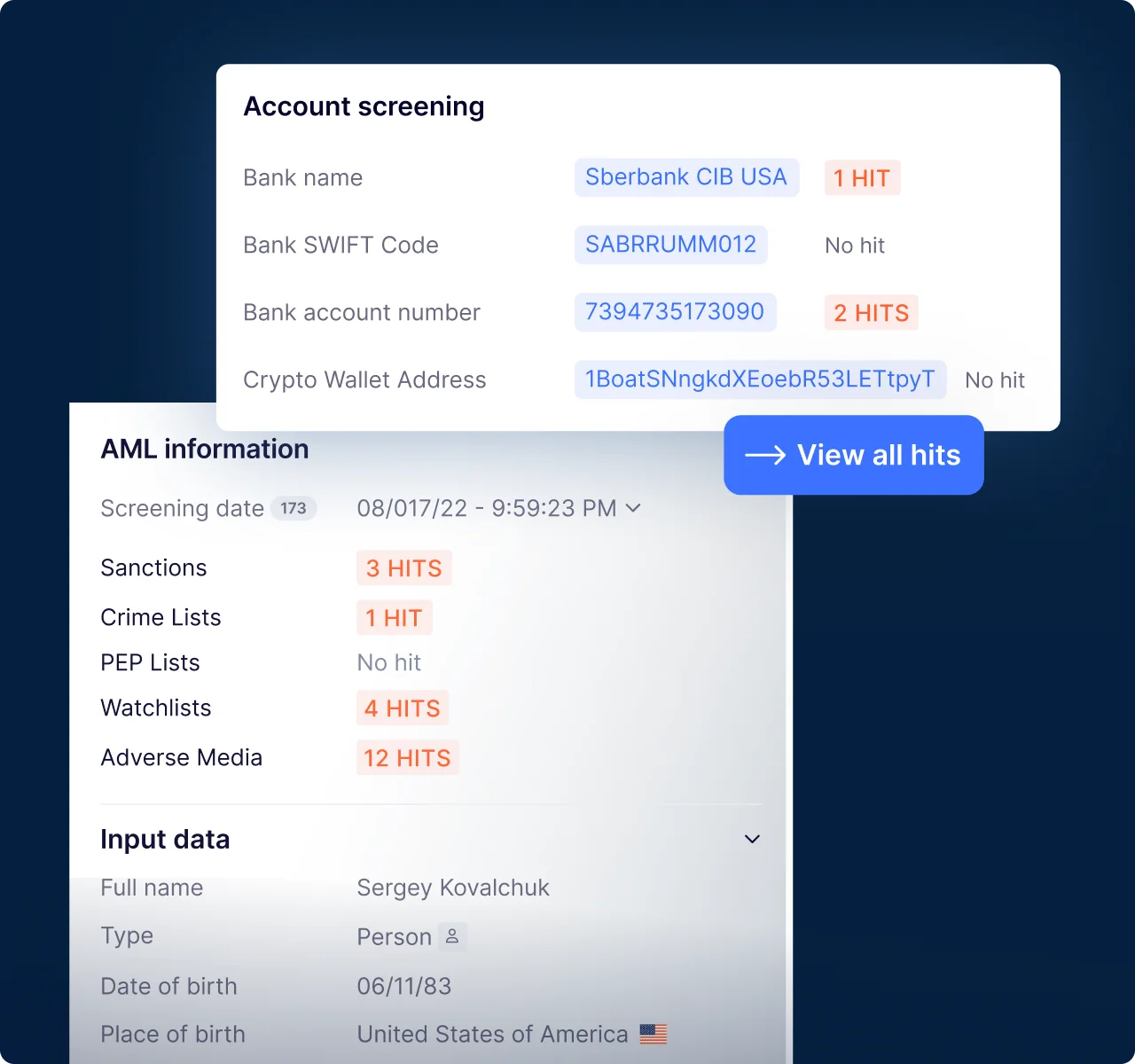
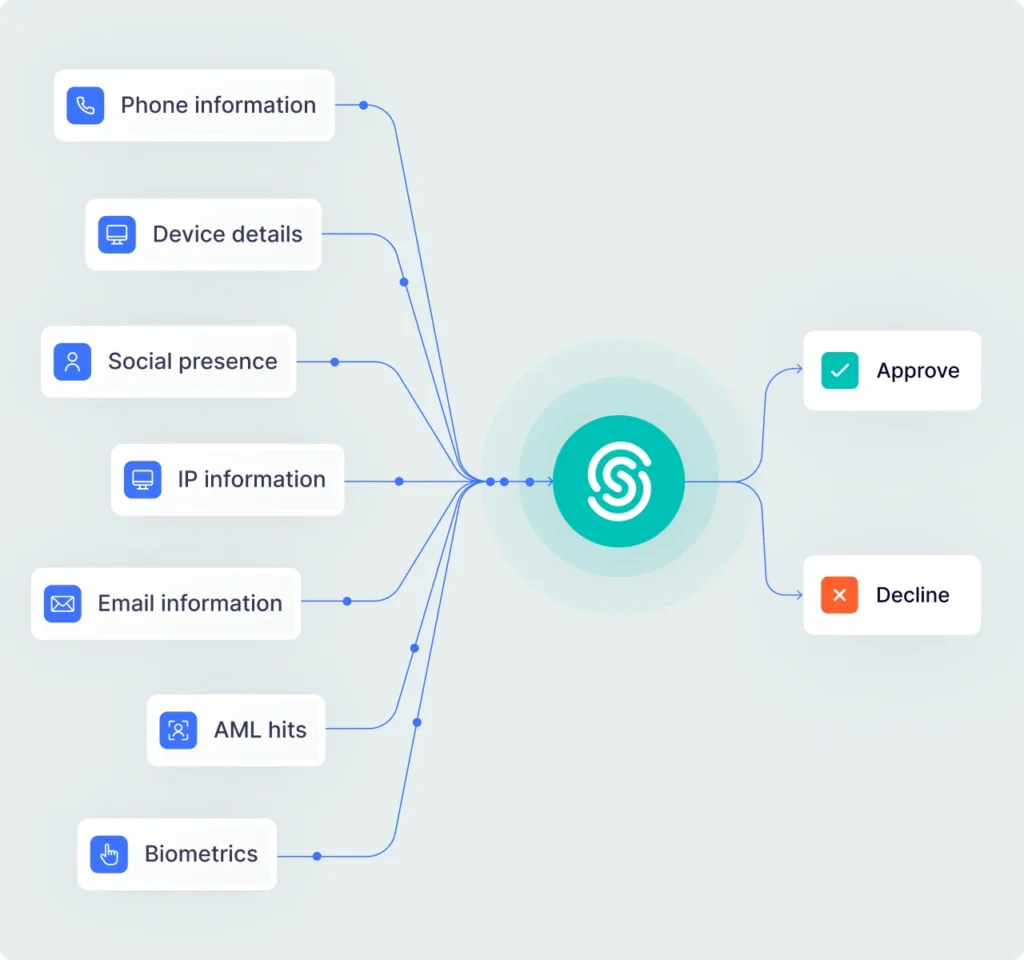
NEVER STALE OR RESOLD DATA
Go Beyond the Data Everyone Else Has
ONE VIEW ACROSS THE CUSTOMER RELATIONSHIP
Connect Fraud, AML and Risk Across Every Product
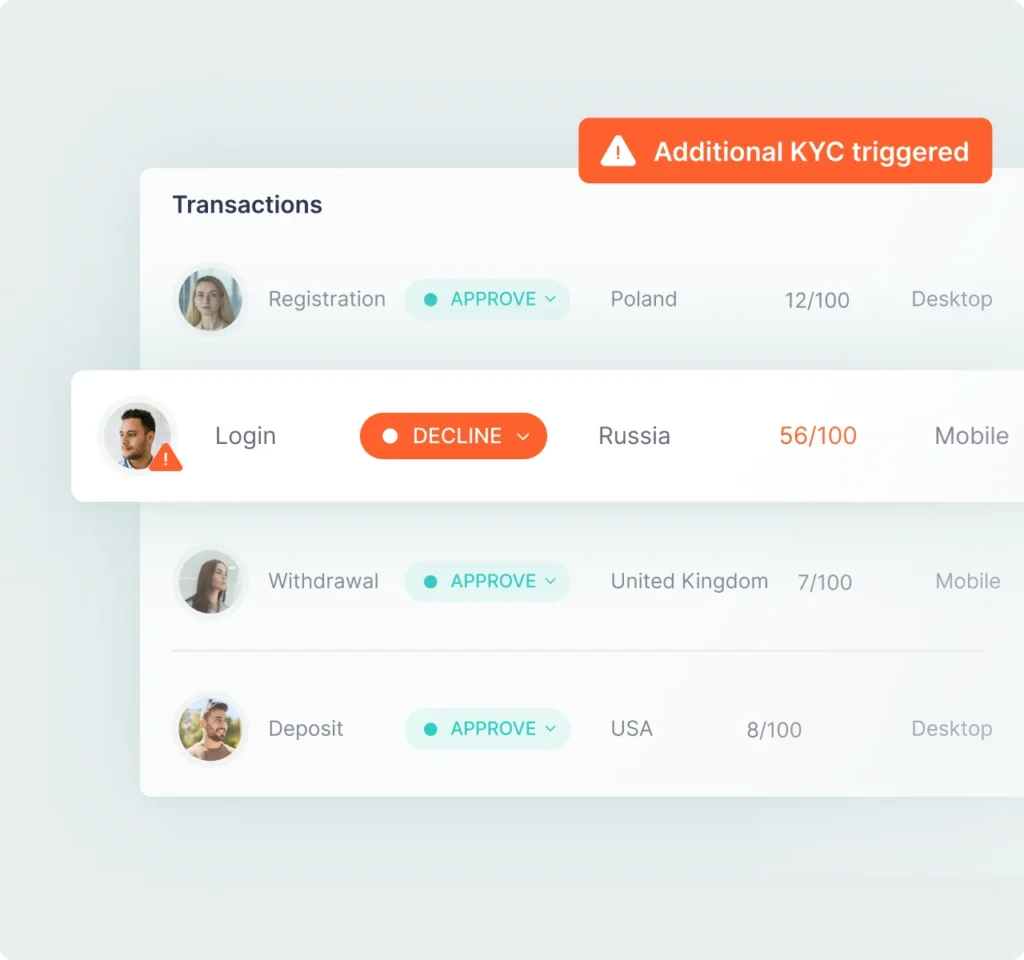
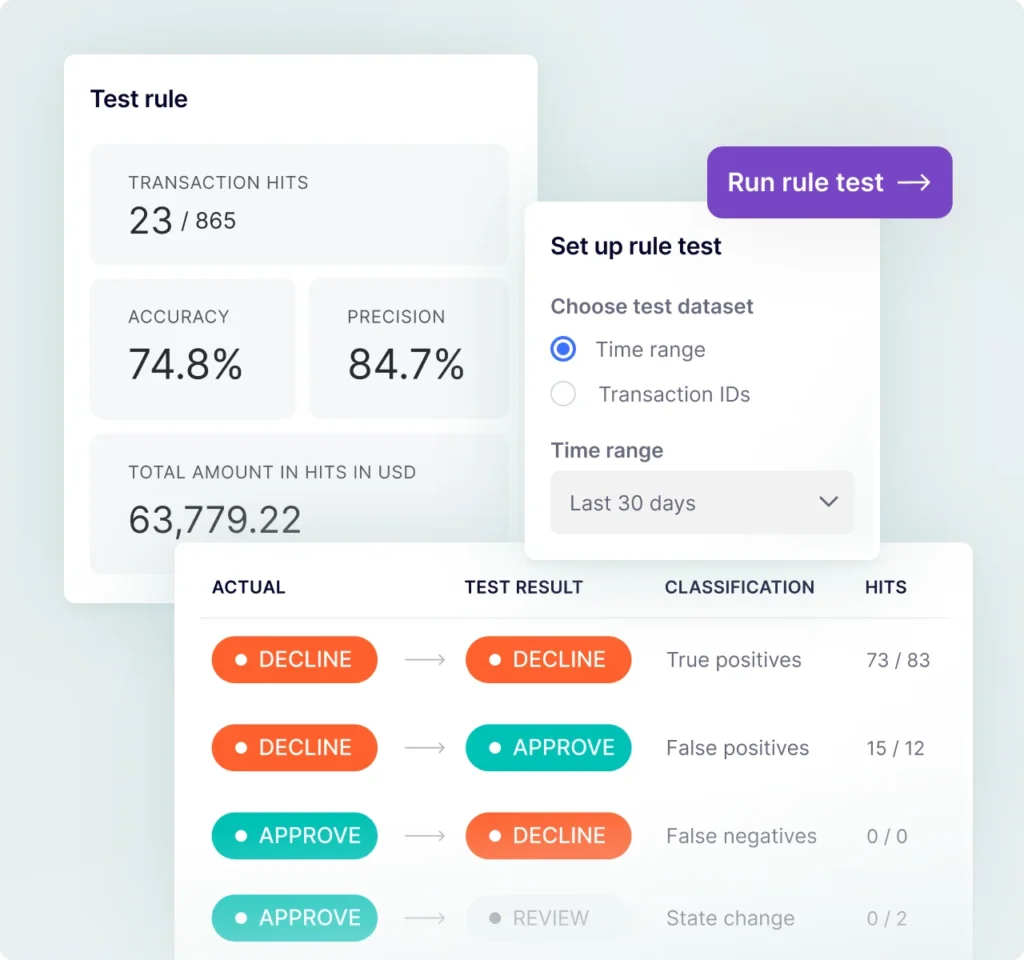
SEE THE SIGNALS BEHIND EVERY DECISION
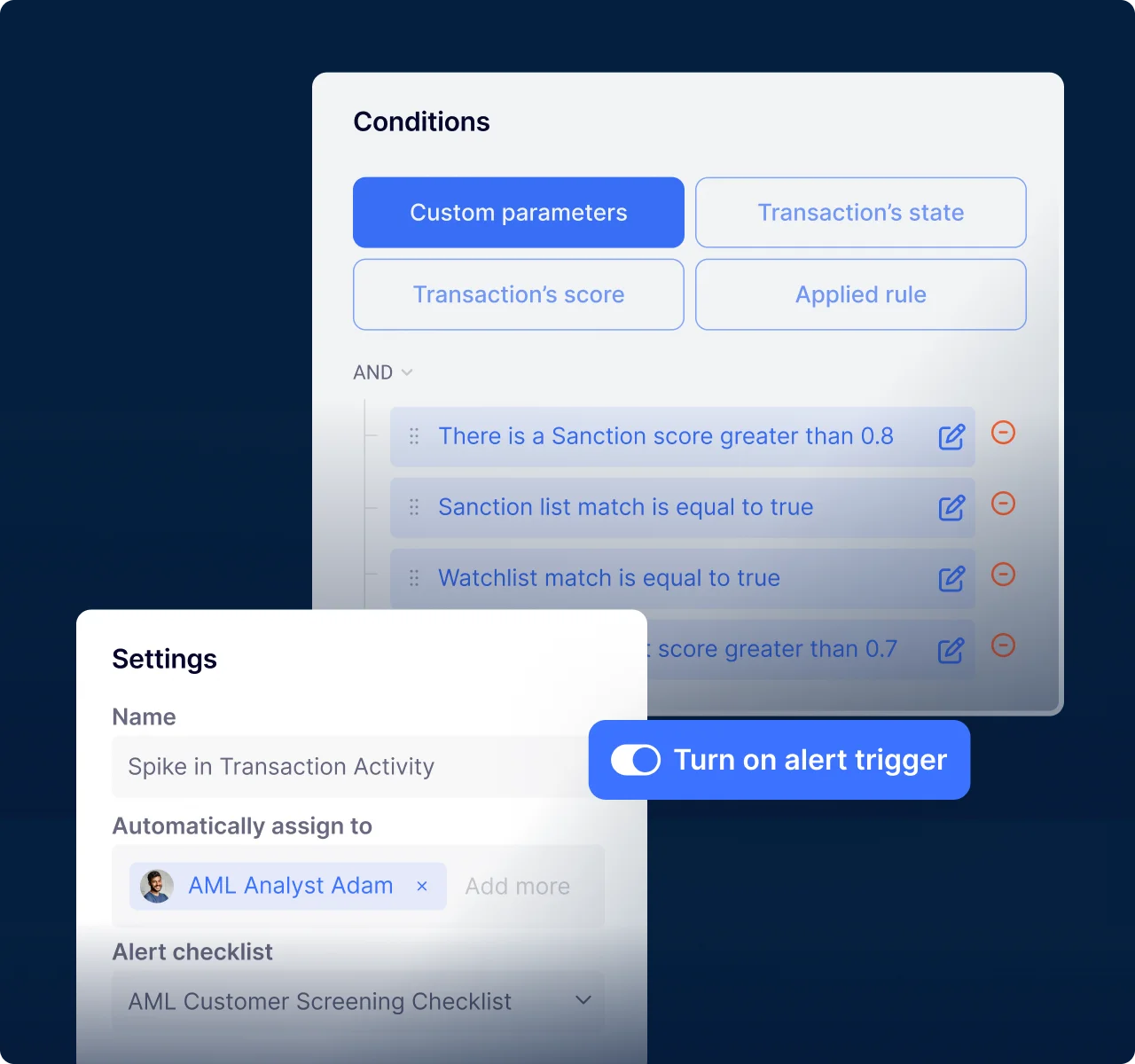
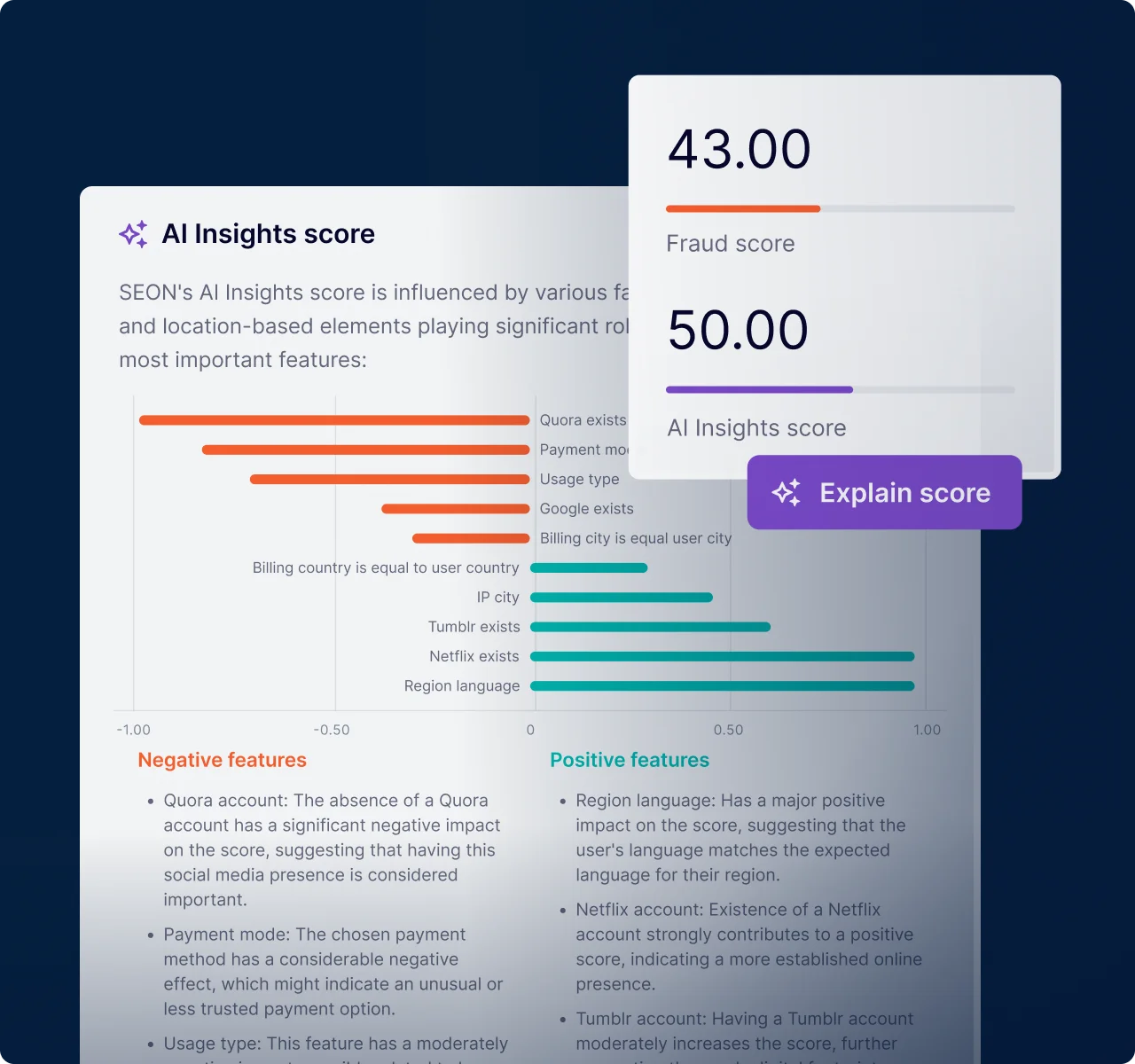
Make Risk Decisions You Can Understand and Control
SUPPORT GROWTH & FINANCIAL CRIME CONTROLS
Meet Risk and Compliance Requirements Without Slowing Growth
FRESH DATA, DEEPER INTELLIGENCE
Quality In, Quality Out
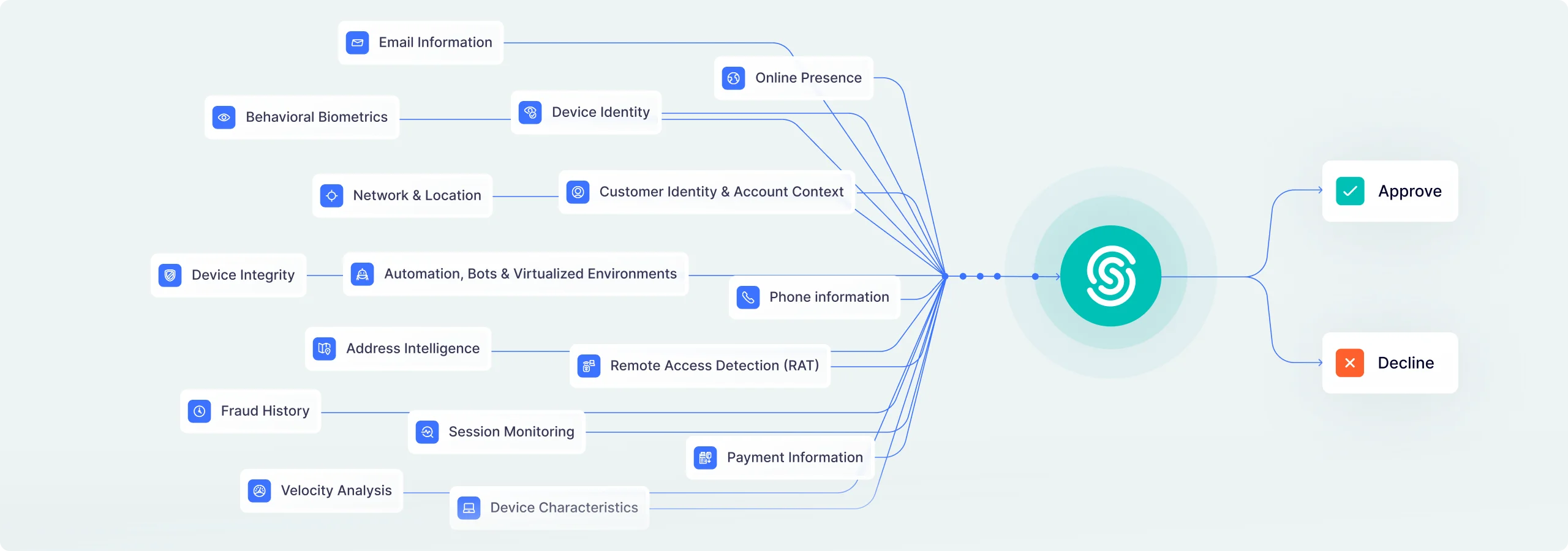
Most fraud platforms rely on static databases and aging consortium networks, while we pull proprietary risk signals from live sources at the exact moment of assessment, giving you a unique view of the person behind the transaction.
Signals You Can’t Find Anywhere Else
Fraudsters can buy stolen credentials to pass standard checks, but they can’t fake years of online history. SEON extracts real-time signals from 1,100+ social and digital platforms, delivering intelligence other providers simply don’t have.
More Dimensions of Identity
Standard checks won’t stop synthetic fraud. SEON correlates live footprints with deep device and network telemetry to prove whether an identity belongs to a real human or a fraud ring.
Built for Instant Decisions
Assess live environments, not just historical files. SEON’s API powers instant approval and routing decisions without adding a single step of friction to your customer journey.
DEPLOY QUICKLY & efficiently
Built for Evolving Banks
Add risk intelligence to new products and markets without rebuilding your fraud and financial crime infrastructure every time your business evolves.
Go live in less than 14 days
A single API, minimal integration work and a proven onboarding process help teams get risk signals into production quickly.
Test and adapt
Test new rules on past transactions or run them in shadow mode before live enforcement, allowing you to adapt strategies safely as fraud patterns evolve.
Transparent documentation
Public API documentation and a comprehensive knowledge base give technical teams clear guidance throughout implementation.
Flexible deployment
Combine rules-based and AI-driven scoring to create risk strategies that fit your products, markets and customer journeys.
Learn More About Fraud and Financial Crime in Banking
-
Discover how risk assessment, controls, and collaboration help digital banks combat fraud and maintain trust.
-
Download our free guide to secure efficient digital bank onboarding and tackle evolving fraud risks.
-
Fraudsters target digital banks with ATOs, phishing, and synthetic identities. Learn how AI, ML, and compliance enhance security.

Frequently Asked Questions
What is fraud prevention for banks?
Fraud prevention for banks is the set of technologies and controls that identify and stop fraudulent activity across the customer lifecycle, from account opening through ongoing activity, lending, payments, transfers and payouts. It combines identity, device, network, behavioral and transaction signals to make fast decisions without adding friction for legitimate customers.
How does SEON work for digital banks and neobanks?
Banks and neobanks get 1,100+ first-party signals across email, phone, IP, device and digital presence, generated from live sources at the moment of assessment. Combined with AI-driven scoring and customizable rules, they power decisions across onboarding, account activity, lending, payments and transfers.
Why are SEON’s first-party signals different?
They’re built from live sources rather than data bought from third-party aggregators, and each lookup runs in real time. That gives risk teams a current view of identity, device, network and digital presence, fresh data across more dimensions of the customer.
Can SEON support ongoing customer and transaction monitoring?
Yes. SEON can support ongoing customer screening, transaction monitoring and fraud detection using the same underlying risk intelligence. Digital banks can screen customers against sanctions, PEPs and other watchlists while using transaction, device, network and behavioral signals to identify suspicious activity and changes in risk.
Can SEON support lending and credit products inside a digital bank?
Yes. Banks use it alongside traditional credit and transactional data to add alternative signals to lending decisions. Digital footprint and device intelligence can provide additional context on thin-file, underbanked and new-to-credit applicants while also helping identify fraud and bad actors. tbi Bank used SEON to increase loan approval rates by 5%, while FairMoney uses SEON to assess customers and automate lending decisions.
Can SEON protect products beyond traditional banking?
Yes. SEON can support risk decisions across lending, P2P transfers, payments, cards, wallets and payouts. The same underlying data layer can be applied across different products, allowing digital banks to extend risk coverage as they launch new financial services.
Take the First Step Toward Better Risk Decisions
“When I ask my team, do we really need that extra data? Is the ROI worth it for us? The answer is always yes. Yes, it adds value – especially when we look at SEON’s price per API request, it makes complete sense for Revolut.”
Dmitri Lihhatsov, Fincrime Product Owner Revolut
Trusted by 5,000+ global organizations:


Book Time With Our Experts
This form may not be visible due to adblockers, or JavaScript not being enabled.
Just like you, we hate spam. We won’t call you and we may only send you relevant emails, which you can opt-out of at any time. By submitting this form, you agree to our Terms Of Service and acknowledge that you have read and accept our Privacy Policy.