
Fintech Fraud Prevention
Don’t Let Fraud Hold Your Business Back
SEON helps fintechs, digital banks and crypto platforms stop fraud at onboarding, login and transaction while scaling into new markets and streamlining AML compliance.

Trusted by the World’s Most Ambitious Companies











Fintechs Using SEON See Results
90%
cut in fraudulent registrations
93%
decrease in manual review time
99%
reduction in multi-accounting attempts
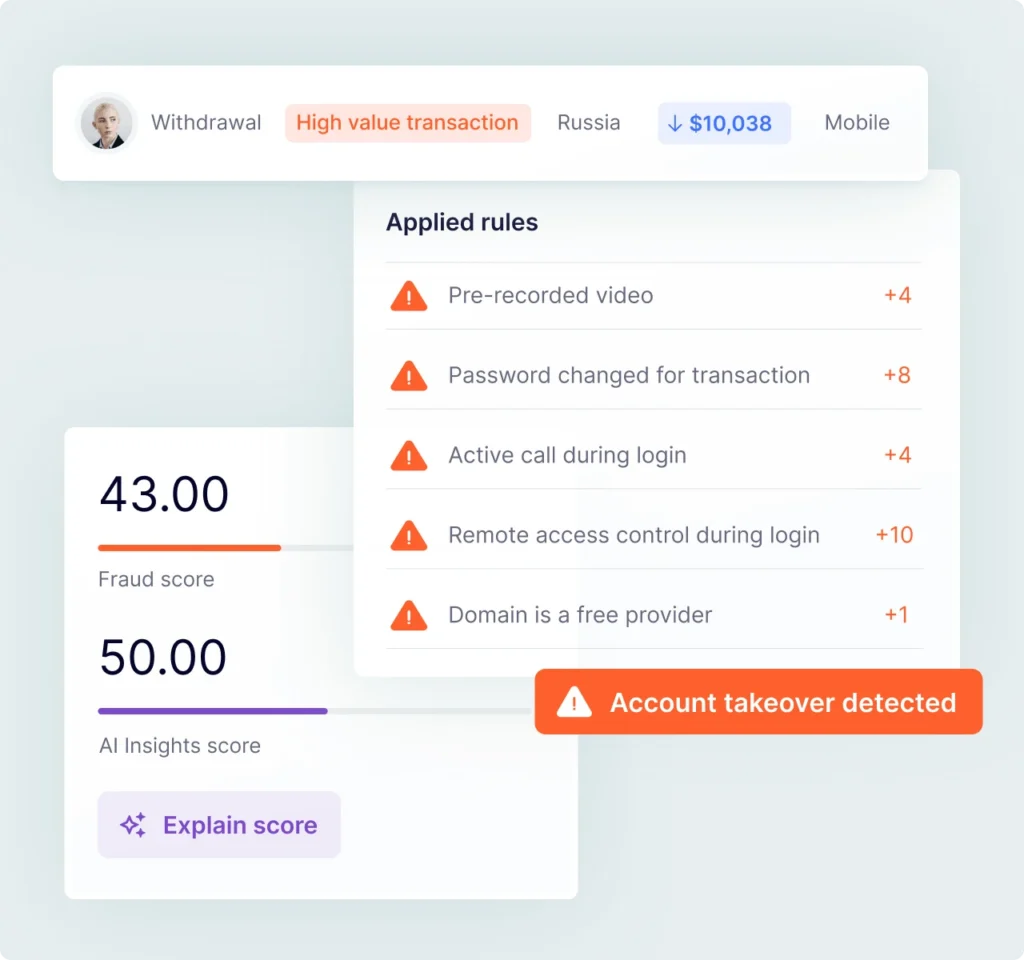
PROTECT GENUINE CUSTOMERS
Block Suspicious Users Instantly
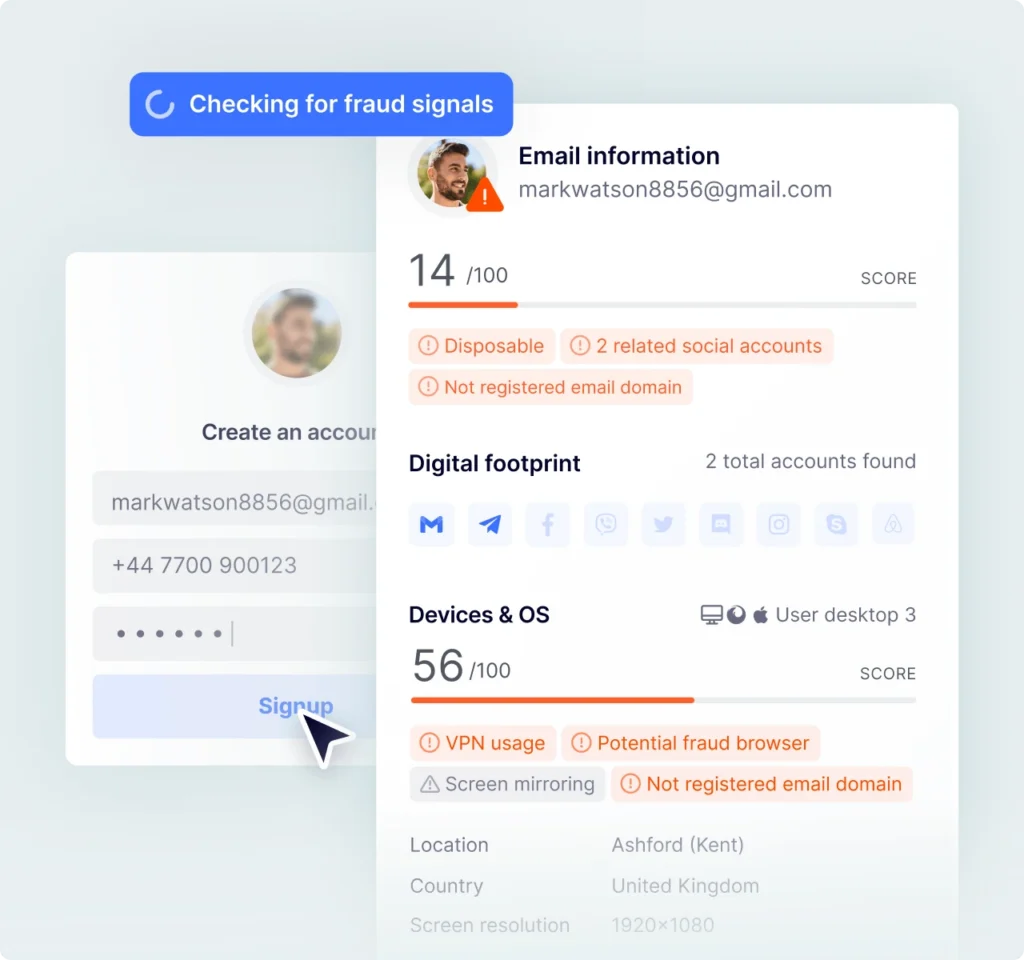
SCALE YOUR GROWTH
Defend Your Presence in Emerging Markets
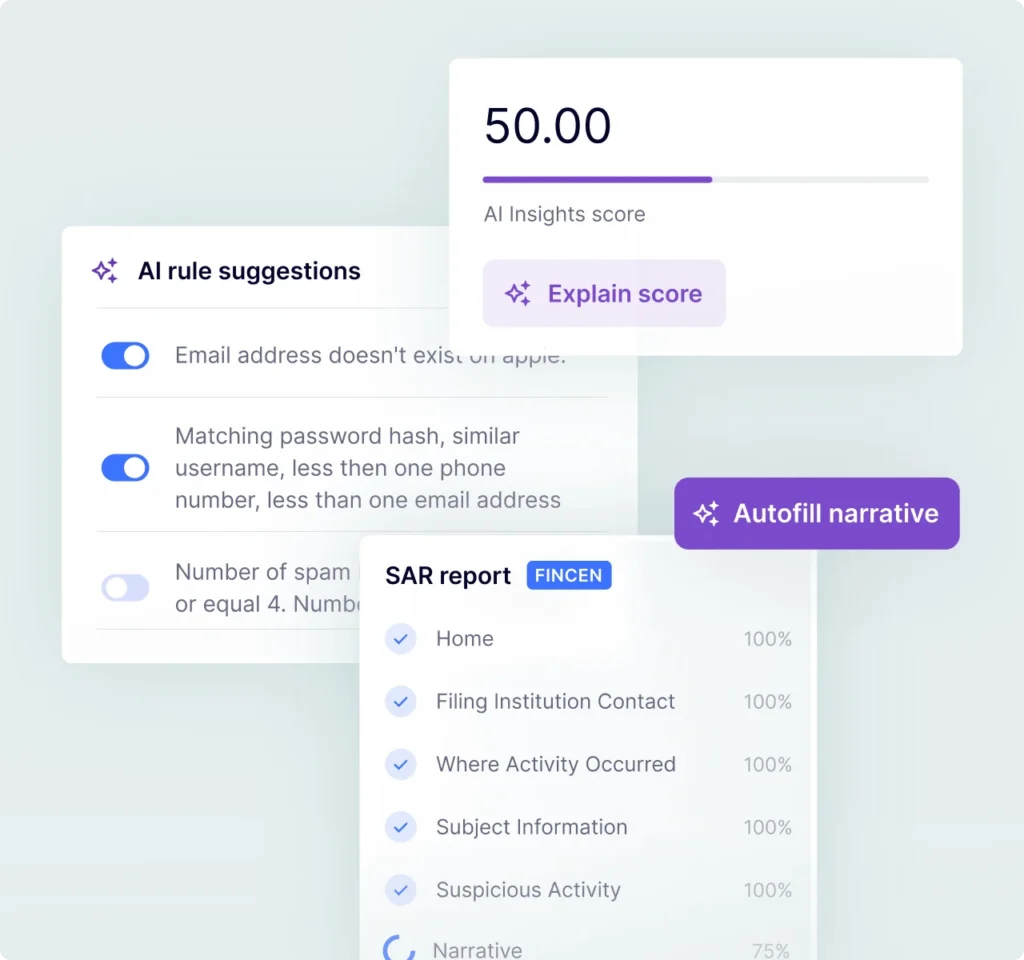
IMPROVE EFFICIENCY
Proactively Prevent Fraud with AI


Go live in 14 days or less
Choose how you integrate directly with SEON’s APIs or through the AWS Marketplace.
Discover How Companies Win

“We chose SEON because it offers risk score transparency, which other platforms don’t offer, and because of the custom rules. Granular control is important because we can tailor our risk strategy down to the level of the region or city where our customers sign up from. Implementing SEON has enabled us to achieve a 90.6% auto-approval rate for genuine customers.”

Martina Virgilio
Anti-Financial Crime Manager

“We now see close to zero successful identity fraud cases. And as a BNPL company, this has a direct impact on other metrics, such as a 90% drop in fraudulent registrations and a 50% drop in chargebacks.”

Claus Linde
Chief Product Officer, Viabill
Learn More About Fintech Fraud
-
AFASA is reshaping fraud compliance in the Philippines. Learn how fintechs can use real-time monitoring and mule detection to drive…
-
Download our free guide to secure efficient digital bank onboarding and tackle evolving fraud risks.
-
Fraudsters target digital banks with ATOs, phishing, and synthetic identities. Learn how AI, ML, and compliance enhance security.
-
How crypto transaction monitoring works, which regulations apply, how it differs from traditional AML – all in one guide
-
Alternative credit scoring uses digital footprints and non-traditional data to improve credit access and risk assessment.





The #1 AI Platform for Fraud Prevention & AML Compliance
With over 380 reviews, SEON is the market leader and G2’s best fraud prevention platform.
Fintech FAQs
What is fintech fraud prevention?
Fraud in financial services doesn’t just cause direct losses, it erodes customer trust and slows growth in markets where onboarding speed is a competitive advantage. Fintech fraud prevention is the use of technology to detect and block fraudulent activity across digital financial services, covering onboarding, login and transactions. It combines device intelligence, digital footprint analysis and AI-powered rules to identify suspicious users before they cause financial or reputational damage.
What is synthetic identity fraud in fintech?
Unlike stolen identity fraud, synthetic identity fraud is difficult to detect because the identity partially exists in real data systems. It occurs when fraudsters combine real and fabricated personal information to create a fictitious identity, which is then used to open accounts, access credit or exploit onboarding processes. Because no single real person is immediately harmed, it often goes undetected longer than other fraud types.
What makes account takeover fraud hard to detect in fintech?
The difficulty is that account takeovers happen through legitimate entry points. A fraudster using stolen credentials looks identical to a returning customer at the login stage, which means detection has to rely on behavioural and device signals rather than identity checks alone. Velocity patterns, device fingerprinting and IP reputation data are what separate a genuine login from a takeover attempt.
How do fintechs meet AML compliance requirements?
Regulators require fintechs to screen customers, monitor transactions for suspicious patterns and file Suspicious Activity Reports when illicit behaviour is identified. Meeting those requirements operationally means having continuous monitoring in place, not just point-in-time checks at onboarding. Fintechs that consolidate fraud prevention and AML into a single platform reduce the overhead of managing them as separate workflows while maintaining a complete audit trail.
How does SEON detect fraud at onboarding without adding friction?
Most fraud prevention checks happen after a user has already entered the funnel, which creates friction for genuine customers and delays detection of bad actors. SEON analyses email, phone and IP data at the point of onboarding to build a digital footprint of each user before KYC begins. Risk thresholds determine whether a user is approved automatically or flagged for step-up authentication, keeping the journey smooth for the majority while catching suspicious identities early.
Take the First Step Toward Transformative Fraud Prevention
“By leveraging the power of advanced analytics and data-driven insights, we were able to achieve our goals of expanding our customer base while effectively managing credit risk.”
Costin Mincovici, Chief Credit Officer, tbi Bank


Book Time With Our Experts
This form may not be visible due to adblockers, or JavaScript not being enabled.
Just like you, we hate spam. We won’t call you and we may only send you relevant emails, which you can opt-out of at any time. By submitting this form, you agree to our Terms Of Service and acknowledge that you have read and accept our Privacy Policy.