The 2026 FIFA World Cup will be the biggest single-event betting surge most platforms have ever handled. In the U.S. alone, more than half of Americans (56%) plan to watch the matches, and 43% say they’re at least somewhat likely to place a bet. That volume alone would strain fraud and compliance operations, but the real pressure comes from what’s happening underneath the numbers.
A new SEON consumer survey of 588 U.S. adults reveals that the behaviors most likely to create fraud exposure during the World Cup are already widespread, and in many cases, consumers are the ones driving them.
Consumers Don’t Trust Platforms, But They Are Betting Anyway
Forty-five percent of respondents say they’re not confident betting platforms can protect their personal and financial information during a high-traffic event like the World Cup. That’s a significant trust deficit heading into a tournament where platforms will be onboarding new users, processing promotions and handling transaction spikes simultaneously.
Yet skepticism isn’t translating into caution. Nearly a quarter (22%) admit to signing up for multiple betting accounts to access promotions. Twenty percent have clicked on a betting link from social media or a messaging app. And 17% have used someone else’s account to place a bet. For operators, these aren’t just risky consumer habits. They’re the exact behaviors that coordinated fraud rings exploit at scale.
Promotions Are the Accelerant
Free bets and promotions are the number one reason consumers say they’d try a new betting platform (36%), ahead of ease of use (31%) and better odds (27%). For Gen Z, that number jumps to 44%.
This puts operators in a difficult position. Promotions drive acquisition, especially during tentpole events, but they also drive multi-accounting. When the primary incentive for trying a new platform is also the same for creating duplicate accounts, the fraud surface area grows with every campaign.

Prediction Markets Are Going Mainstream
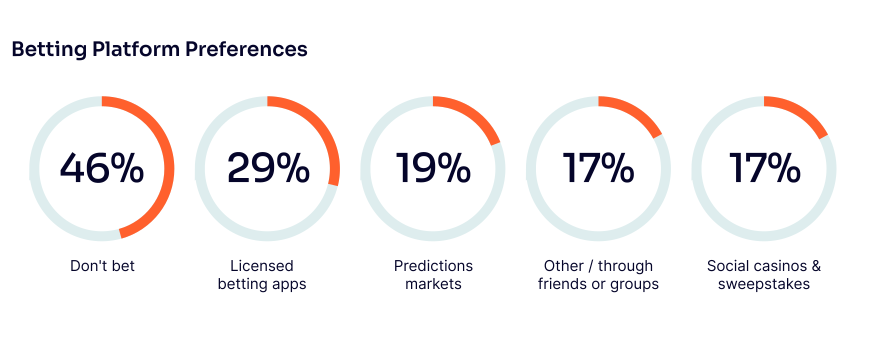
One finding that stands out is the rise of prediction markets as a World Cup betting channel. Nineteen percent of respondents plan to use prediction markets, making them the third most popular platform type behind licensed betting apps (29%) and ahead of social casinos (17%). Among Millennials, 36% plan to use prediction markets, nearly matching licensed apps at 38%.
For an industry that many still consider niche, those numbers signal a tipping point. As prediction market platforms scale around major events, they face the same fraud and identity challenges that licensed sportsbooks have spent years building defenses against, often with less mature compliance infrastructure.
Millennials Trust and Risk the Most
Millennials are the most active generation in the survey. Sixty-five percent are at least somewhat likely to bet on the World Cup, and only 24% say they don’t bet at all. They’re also the most trusting: 77% are confident platforms protect their data during major events.
That confidence coexists with the riskiest behavior of any demographic. Millennials are the most likely to have created multiple accounts for promotions (38%), shared personal information for a betting offer (29%), and used prediction markets, social casinos and crypto-based platforms at rates well above the average. Trust without caution is a combination that benefits fraudsters more than platforms.
The Scams Have Already Started
While the tournament hasn’t kicked off, consumers are already encountering fraud. Twenty-four percent have seen social media scams tied to World Cup betting. Twenty percent have come across fake ticket websites and 18% report encountering fake betting apps or sites. Gen Z is the most exposed, with 38% reporting social media scams and 33% having clicked on a betting link from social media.
For operators, the implication is clear. The World Cup isn’t just a revenue opportunity. It’s a fraud stress test that will expose how well platforms can separate real customers from the noise around them. The ones that get ahead of it now will be the ones still standing when the final whistle blows.